Home Renovation Made Easy: A Comprehensive Guide for Property Owners
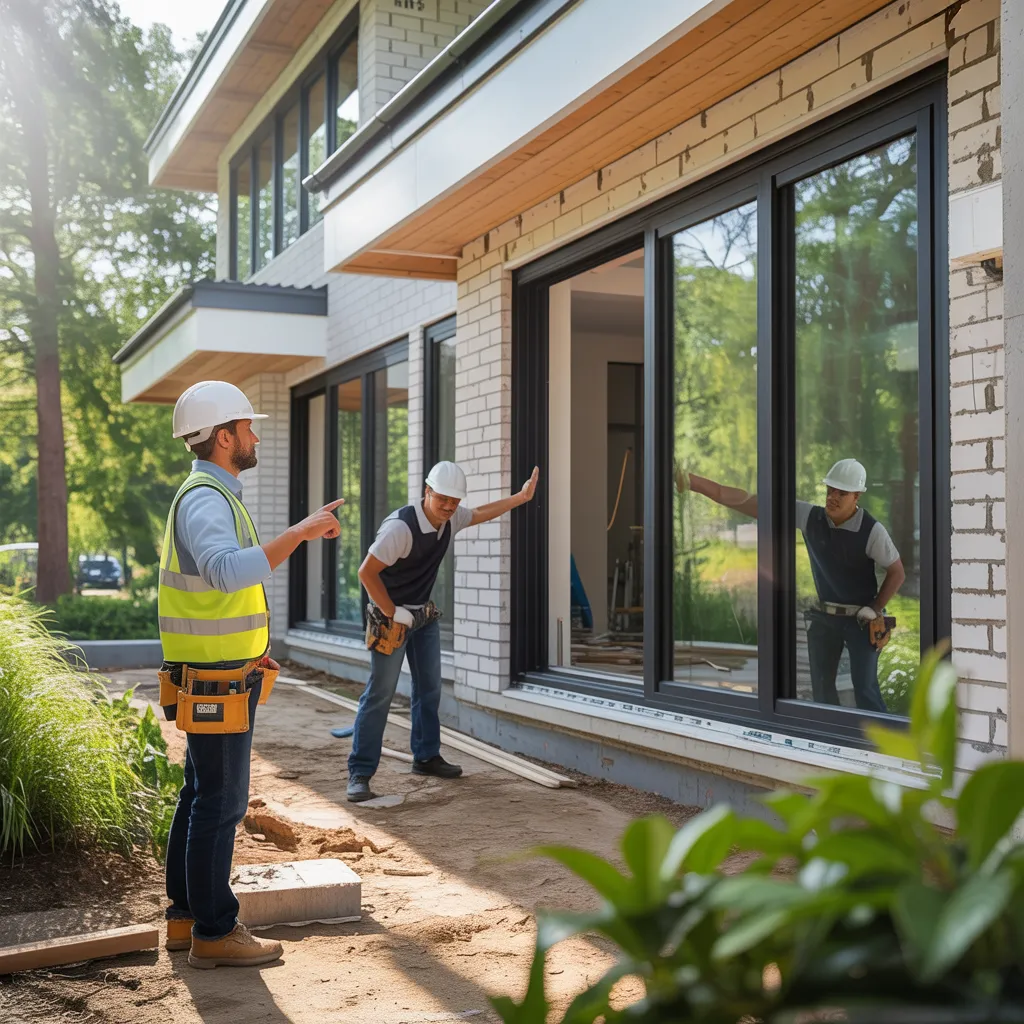
Home remodeling can be an intimidating task for many property owners. Recognizing one's requirements and establishing realistic goals is essential. A well-structured approach can make the process easier and more streamlined. This guide offers valuable insights into budgeting, design, and choosing the right supplies. Property owners may find themselves contemplating the best methods for navigating these challenges. What critical steps should they evaluate to ensure a successful transformation of their living spaces?
Examining Your Requirements and Desired Outcomes
When examining their needs and goals for home renovation work, homeowners often wonder where to get started. The first step involves a thorough examination of their current living situation and preferred results. Homeowners should reflect on targeted spaces that require improvement, such as aging kitchens, poor storage solutions, or inadequate living space. Detecting these issues can help order projects based on urgency and necessity.
In addition, homeowners should reflect on their long-term goals. Are they attempting to boost comfort, increase property value, or create a more functional space for family gatherings? Grasping these objectives will shape the renovation process and guarantee that the finished product aligns with their vision.
Additionally, obtaining feedback from relatives can be advantageous, as different viewpoints may uncover further needs or desires. By making the effort to evaluate their goals and needs, homeowners can establish a strong foundation for a successful renovation undertaking.
Developing a Attainable Budget
Establishing a realistic budget is vital for a effective remodeling project. Homeowners should begin by estimating project costs, accounting for materials, labor, and design elements. Additionally, allocating contingency funds can aid manage unexpected expenses that may arise during the renovation process.
Determine Project Financial Requirements
A comprehensive grasp of project costs is essential for homeowners starting on a remodeling journey. To accurately estimate expenses, they should consider factors such as supplies, labor, permits, and potential unforeseen issues. Investigating local market rates for materials and engaging professionals can provide a more transparent financial picture. Homeowners should also factor in the scope and intricacy of the undertaking, as these components significantly impact expenses. Creating a detailed list of necessary supplies and labor will help in compiling quotes. It is recommended to seek multiple quotes from builders to ensure favorable rates. By setting a precise budget that matches their monetary resources and project goals, property owners can set a practical spending plan, ultimately leading to a more seamless remodeling experience.
Establish backup financial allocations for unexpected outlays
Assessing construction expenses establishes the foundation for sound budgeting, but property owners must also consider unforeseen costs that may emerge during a renovation undertaking. A common recommendation is to set aside a reserve fund, typically ranging from 10% to 20% of the total budget. This assignment serves as a financial buffer, enabling homeowners to address unexpected problems such as structural repairs or cost escalations without derailing the entire project. By preparing for these potential costs in advance, property owners can maintain greater control over their finances and decrease anxiety throughout the remodeling process. Ultimately, a well-prepared budget that contains contingency funds enhances the likelihood of a successful and satisfying renovation experience.
Creating Your Environment
How can homeowners effectively design their area to express their individual aesthetic while maximizing practicality? To achieve this, they should begin by evaluating their requirements and lifestyle. Comprehending how each room will be used directs the overall layout and movement. Homeowners might consider creating zones for different activities, ensuring that high-traffic areas remain open and accessible.
Including elements that display personal preference, such as color schemes, furniture styles, and ornamental details, permits a unique expression without sacrificing practicality. Additionally, leveraging dual-purpose furniture can maximize space efficiency, especially in limited spaces.
Natural light constitutes another important consideration; opening up windows or placing consult now mirrors can establish a more welcoming atmosphere. Finally, property owners need to examine balance and size, ensuring that decor coordinate with the room's proportions while sustaining a clean look. Through merging thoughtful design with style, residents can construct a unified residential setting adapted to their tastes.

Choosing Products and Surface Treatments
When selecting surface treatments and materials, property owners should focus on both aesthetic quality and longevity to ensure their choices resist the test of time. The selection process begins with understanding the intended style of the space, as different materials can spark distinct atmospheres. For example, wood materials can deliver warmth, while sleek metals may impart a modern edge.
Property owners should also take into account the upkeep needs of each material. Some surfaces may demand more upkeep than others, influencing long-term contentment. Additionally, financial limitations are essential; selecting high-quality yet cost-effective options can lead to lasting value.
Environmental responsibility is growing increasingly crucial, encouraging many to choose eco-friendly materials that decrease environmental impact. Finally, homeowners should gather samples to envision how chosen materials will coordinate with lighting and existing elements in the space. This direct approach aids in making informed decisions that align with both personal style and practical needs.
Hiring the Correct Experts
For a successful renovation project, homeowners must thoroughly evaluate the credentials and background of contractors employed to guarantee quality work. Comparing cost estimates from various service providers helps with determining budget-conscious choices. Finding the right expertise by following these crucial steps remains vital for successful home renovation.
Reviewing Competencies and Expertise
Choosing the appropriate professionals for a home remodeling project demands meticulous evaluation of their qualifications and experience. Homeowners should start by verifying qualifications, ensuring that contractors have the necessary licenses and certifications relevant to the project. Furthermore, reviewing a portfolio of previous work can offer understanding into a contractor's style and quality of workmanship. It is also beneficial to request testimonials from past customers to assess contentment and dependability. Experience in particular kinds of renovation, such as kitchen or bathroom remodels, can be essential; specialists often have the refined abilities required for complex tasks. Finally, a comprehensive assessment of credentials and expertise will help homeowners select contractors who can effectively execute their plan while adhering to professional standards.
Contrasting Expense Estimates Competently
Determining cost quotes represents a key component in the hiring phase for home renovation efforts. Homeowners need to procure estimates from numerous contractors to guarantee a complete comparison. Each bid should detail labor, materials, and any ancillary expenses, permitting for a accurate side-by-side examination. It is imperative to review the overall investment alongside the scope of services contained in each bid. Homeowners must stay alert to substantially reduced proposals, since they may reveal inadequate quality or surprise charges. Speaking with contractors about their proposals can offer understanding of their process and transparency. At the conclusion, determining on a contractor should merge expense and the value of skilled craftsmanship, fostering a successful renovation experience.
Mastering the Remodeling Workflow
Although the renovation undertaking can seem intimidating, homeowners can navigate it successfully by adhering to a few vital steps. First, they should create a distinct plan of their project, outlining desired outcomes and specific features. Next, developing a practical financial plan is crucial, taking into account materials, labor, and unexpected costs. Researching and selecting reputable contractors can also make a substantial impact; homeowners should obtain suggestions and check reviews before making a choice.
Once a contractor is chosen, effective communication is essential. Homeowners should discuss timelines, project scope, and any concerns upfront to prevent misunderstandings. During the remodeling phase, ongoing communication with the contractor will help guarantee that the project stays on track and adheres to the agreed-upon plan. Finally, being adaptable to modifications, whether due to unexpected issues or new ideas, can elevate the overall experience, leading to a successful and satisfying remodeling outcome.
Commonly Asked Questions
How Long Does a Standard Home Renovation Project Require?
A conventional home renovation project ordinarily requires anywhere from a few weeks to several months, determined by the scope of the project, home footprint, and any unpredictable difficulties that may happen during the execution.
What Permits Are Needed for Home Renovation?
Upgrading your home typically requires multiple permits, including building, electrical, plumbing, and zoning permits. The specific requirements are determined by local codes and the size and nature of the project, confirming compliance with safety and construction standards during renovations.
How Can I Limit Disruptions to a Minimum During Remodeling?
To reduce disruptions during rebuilding, one should set up a detailed schedule, confer with construction professionals, create designated work zones, and alert family members about plans. This planning enables sustain routine and minimizes strain throughout the work.
What Can I Do if I Overspend on My Allocated Funds?
If a budget is exceeded, he should assess the reasons, prioritize necessary adjustments, and explore potential cost-saving measures. Open communication with contractors and seeking alternative materials can also help adjust spending with project goals.
What Steps Can I Take to Ensure Excellent Workmanship?
To ensure excellent workmanship, one should research and hire trustworthy contractors, check references, review past projects, and establish clear communication regarding expectations, timelines, and materials. Regularly monitoring progress also helps maintain high standards throughout the project.